You finished your degree, watched a few YouTube tutorials, and even built a small project — but when you apply for a software developer job, you either get no reply or fail the interview round. If this sounds familiar, the problem is usually not that you are “not talented enough.” Most freshers simply do not know how to prepare in the right order. This guide will help you plan your preparation like a working developer, not just a student who passed exams.
The Real Problem: Freshers Are Learning, But Not Job-Ready
In India, thousands of students complete BCA, MCA, B.Tech, or diploma courses every year. Many know basic coding, but companies still say “we need practical skills.” The gap is simple — colleges focus on theory and marks, while companies want people who can build websites, fix bugs, work with databases, and understand real project flow.
Common struggles job seekers face:
- No clear learning path — jumping between random topics without finishing anything properly.
- Weak portfolio — no live projects to show during interviews.
- Poor interview preparation — coding tests and technical questions feel scary.
- Outdated skills — learning old methods while companies use modern tools like React, APIs, and cloud hosting.
- No guidance — students in smaller cities like Ranchi often do not know which course or skill actually gets jobs.
Why This Matters More in 2026
IT companies are hiring, but they are more careful now. They want developers who can start work quickly, communicate clearly, and learn new tools fast. Remote jobs and startup culture have also increased competition — your resume is compared with candidates from across India, not just your city.
If you prepare properly, a software developer job can give you stable income, remote work options, and long-term career growth. If you prepare randomly, you may spend years doing unpaid internships or switching courses again and again. Good preparation saves both time and money.
How Can You Prepare for a Developer Job?
There is no single magic formula, but most successful candidates follow one of these paths:
1. Self-Study (Free but Slow)
You learn from YouTube, free websites, and online notes. It works if you are highly disciplined. But many students get stuck because there is no one to review code, no structured syllabus, and no interview practice.
2. College Degree Only
BCA, MCA, or B.Tech gives you academic knowledge, which is important. But alone, it is often not enough for private company jobs unless you also build projects and learn industry tools during college years.
3. Job-Ready Training Program
A practical training course covers HTML, CSS, JavaScript, PHP, databases, frameworks, and live projects in a fixed timeline. This is the fastest route for students who want structured guidance, certificates, and interview support.
4. Internship + Portfolio Building
After learning basics, internships help you understand office work culture, deadlines, and team projects. Even a 2–3 month internship with real tasks can make your resume much stronger.
Self-Study vs Training Course — Quick Comparison
| Factor | Self-Study | Job-Ready Training |
|---|---|---|
| Cost | Low / free | Moderate fee |
| Structure | You decide topics | Step-by-step syllabus |
| Projects | Often incomplete | Guided live projects |
| Interview Prep | Usually missing | Mock tests & guidance |
| Best For | Highly self-motivated learners | Freshers & career switchers |
Best Practices to Get a Software Developer Job
Follow these practical steps — they work for students in Ranchi, Delhi, Bangalore, or anywhere in India:
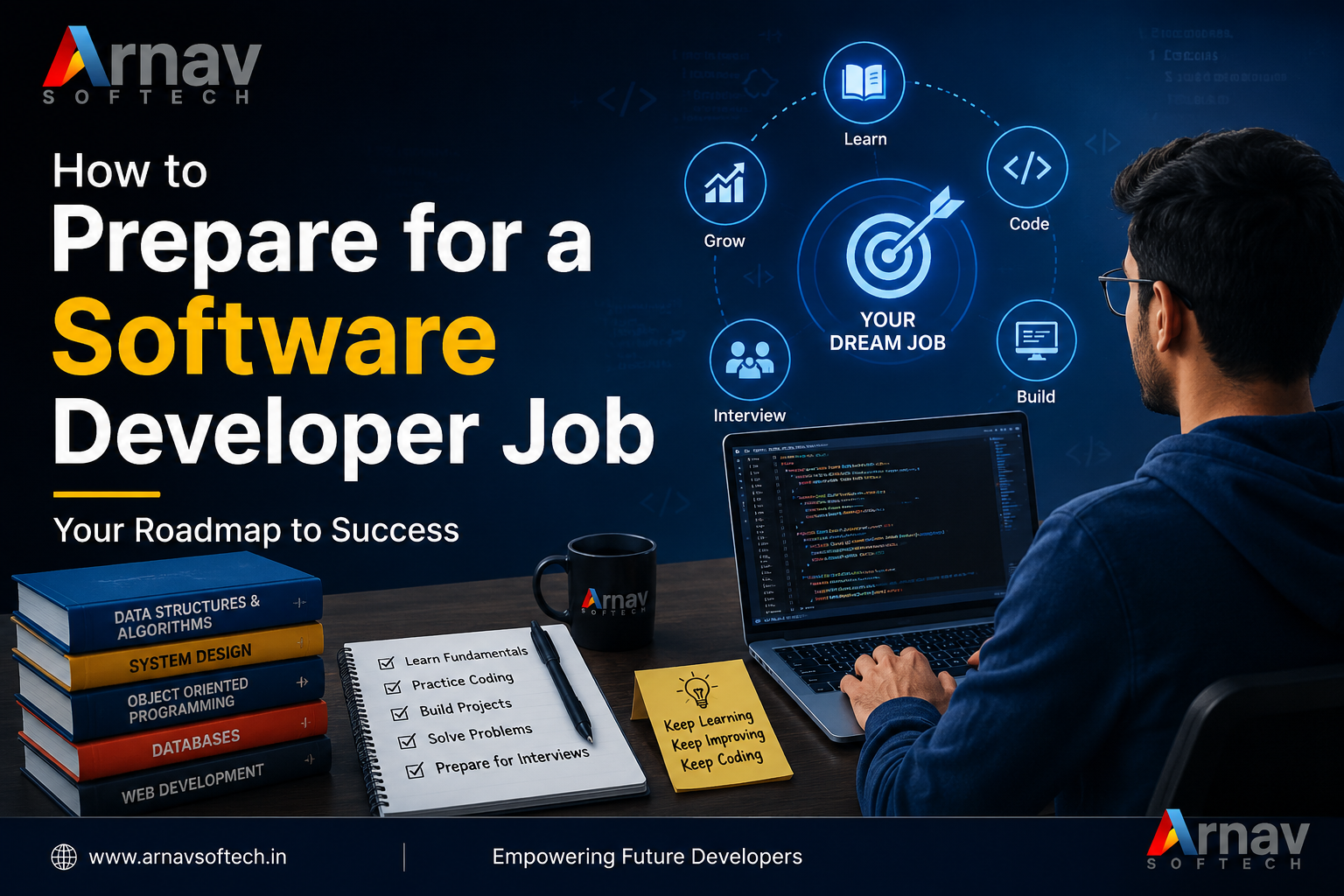
- Start with web basics. Learn HTML, CSS, and JavaScript first. Most entry-level jobs in small and mid-size companies need website and web app skills.
- Pick one backend language. PHP or Python is enough at the start. Do not try to learn five languages at once.
- Build 3–5 real projects. A portfolio website, a small CRM, an e-commerce demo, or a student management page — anything live on the internet counts more than certificates alone.
- Practice coding problems. Spend 30–45 minutes daily on logic, arrays, and basic algorithms. Interview rounds often test this.
- Learn Git and deployment. Companies expect you to know how code is saved, updated, and published online.
- Improve communication. Explain your project clearly in simple English. Confidence in interviews matters as much as coding.
- Apply regularly. Send 5–10 quality applications per week with a custom resume, not one generic CV for every company.
Real Example: BCA Graduate from Ranchi Who Got Hired
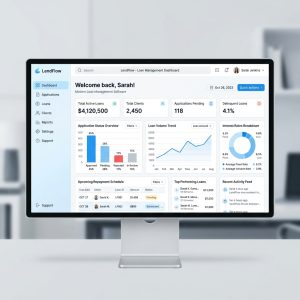
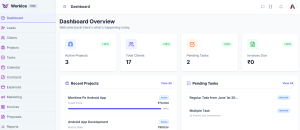
A BCA graduate from Ranchi joined a web development training program after struggling for eight months with self-study. He knew theory from college but had no proper project to show employers. During training, he built a responsive business website, a PHP login system, and a small React dashboard.
Within four months, his preparation changed completely:
- He completed 4 live projects and uploaded them on GitHub.
- He practiced 50+ coding questions for interviews.
- He learned how to explain his projects in 2 minutes — problem, solution, and technology used.
- He got shortlisted by two local IT companies and one remote startup.
His first job offer was not from luck. It came because he followed a clear plan — learn, build, practice, apply, repeat.
Your 90-Day Preparation Plan (Simple Version)
If you are confused about what to do next, use this basic timeline:
- Month 1: HTML, CSS, JavaScript basics + one static portfolio site.
- Month 2: PHP/MySQL or backend APIs + one dynamic project with database.
- Month 3: Framework basics (React or Laravel), Git, deployment, and interview practice.
Stick to one plan for 90 days instead of changing your goal every week. Consistency beats talent when you are starting out. Companies want learners who finish tasks — not people who only collect course certificates.
Final Advice Before You Apply
Focus on becoming job-ready step by step. Start today: fix your resume, finish one project, or join structured training if you need direction.
Ready to Become a Job-Ready Software Developer?
Arnav Softech offers practical Web Development training in Ranchi with HTML, CSS, JavaScript, PHP, MySQL, React, live projects, and interview guidance — online and offline batches available.